Medication safety for the operating room

Medication safety without looking away.

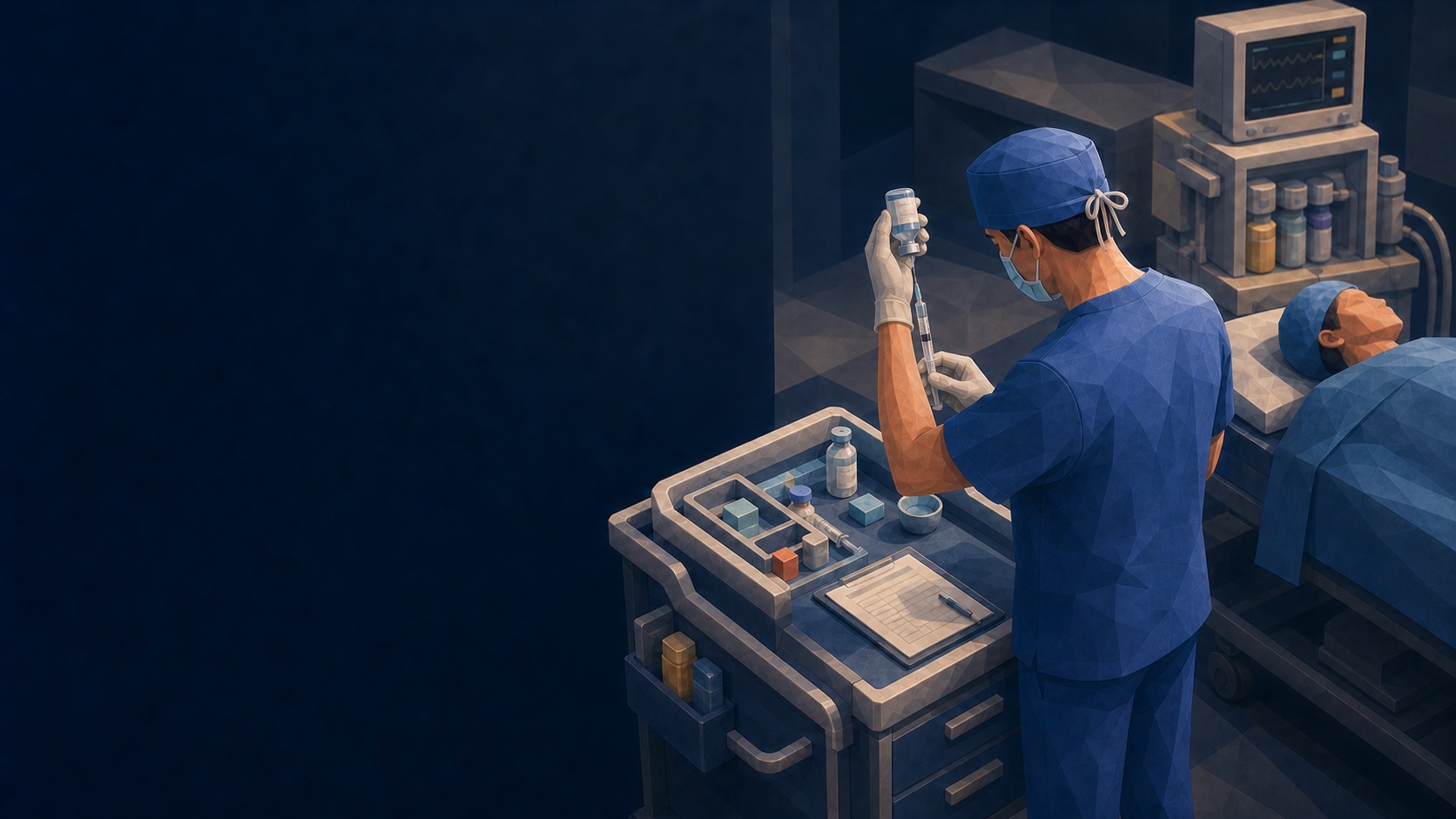
Visual Thought Labs is building a medication safety tool for anesthesia that checks medications as they are given and records them automatically. It works without adding another task or pulling attention from the patient.

Built by anesthesiologists and engineers Designed for the pace of the OR

Why VTL exists

Medication safety is usually shared. In anesthesia, it often rests on one clinician.

That is a workflow problem, not a clinician problem.

Across the hospital

Medication safety is shared.

A physician orders. A pharmacist reviews. A nurse confirms and administers. Clinical systems can flag allergies, interactions, and dosing concerns. More than one person or system has a chance to catch a problem.

01Ordered.Physician
02Reviewed.Pharmacist
03Confirmed.Nurse
04Screened.Clinical systems

Inside anesthesia

One clinician may carry the entire medication process.

During a case, the anesthesiologist may select, prepare, administer, and document a medication in seconds, all while managing the patient’s airway, physiology, and changing clinical needs.

Select Prepare Administer Document

The safety gap

A medication may reach the patient before another person or system verifies it.

In many anesthesia workflows, there is no separate person or system routinely verifying the medication at the moment it is given.

The gap belongs to the workflow. Not the clinician.

What observers found

Medication errors in the OR are not rare.

In one prospective study at a single academic medical center, observers followed 3,671 medication administrations during 277 operations.

1 in 20

medication administrations involved a medication error and/or adverse drug event.

5.3% of observed administrations
79.3%

of those events were judged preventable.

US$42B

estimated annual global cost associated with medication errors.

World Health Organization

How it helps

Medication safety that works in the background.

Visual Thought Labs is building a medication safety tool for anesthesia. It checks medications as they are given and helps document what happened, without adding another task to the clinician’s workflow.

01 Works while care is happening.
02 Checks medications as they are given.
03 Helps document what happened.

The clinician stays focused on the patient.

The standard

Seven rights. One safety mission.

01 / 07

Right patient

Confirm the correct patient using at least two identifiers before administration.

The team

Built from inside the operating room.

Practicing anesthesiologists and engineers focused on one of healthcare’s most persistent safety gaps.

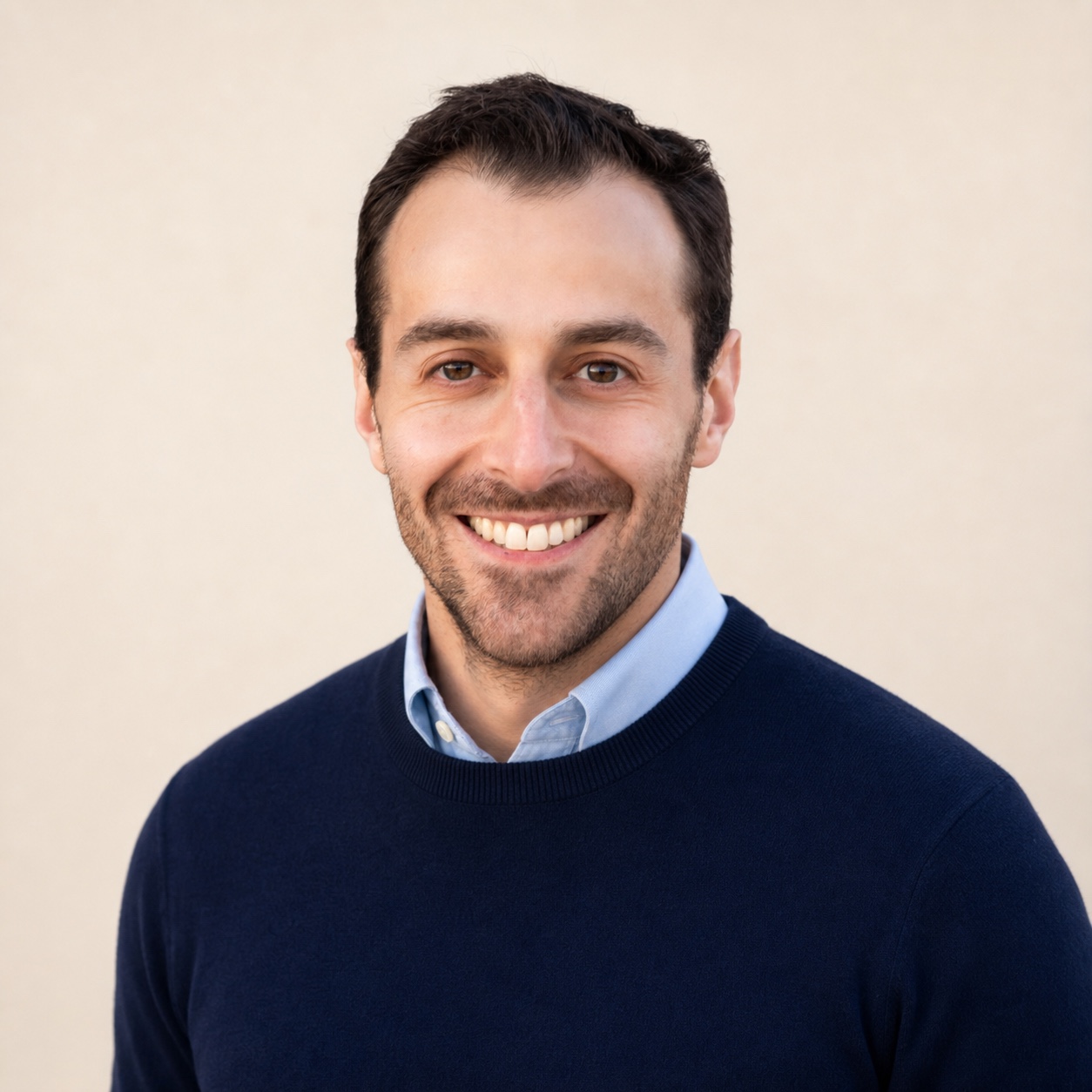
Julian Cobert, MD

Julian Cobert, MD

Cofounder & CEO

Duke · UPenn · UCSF
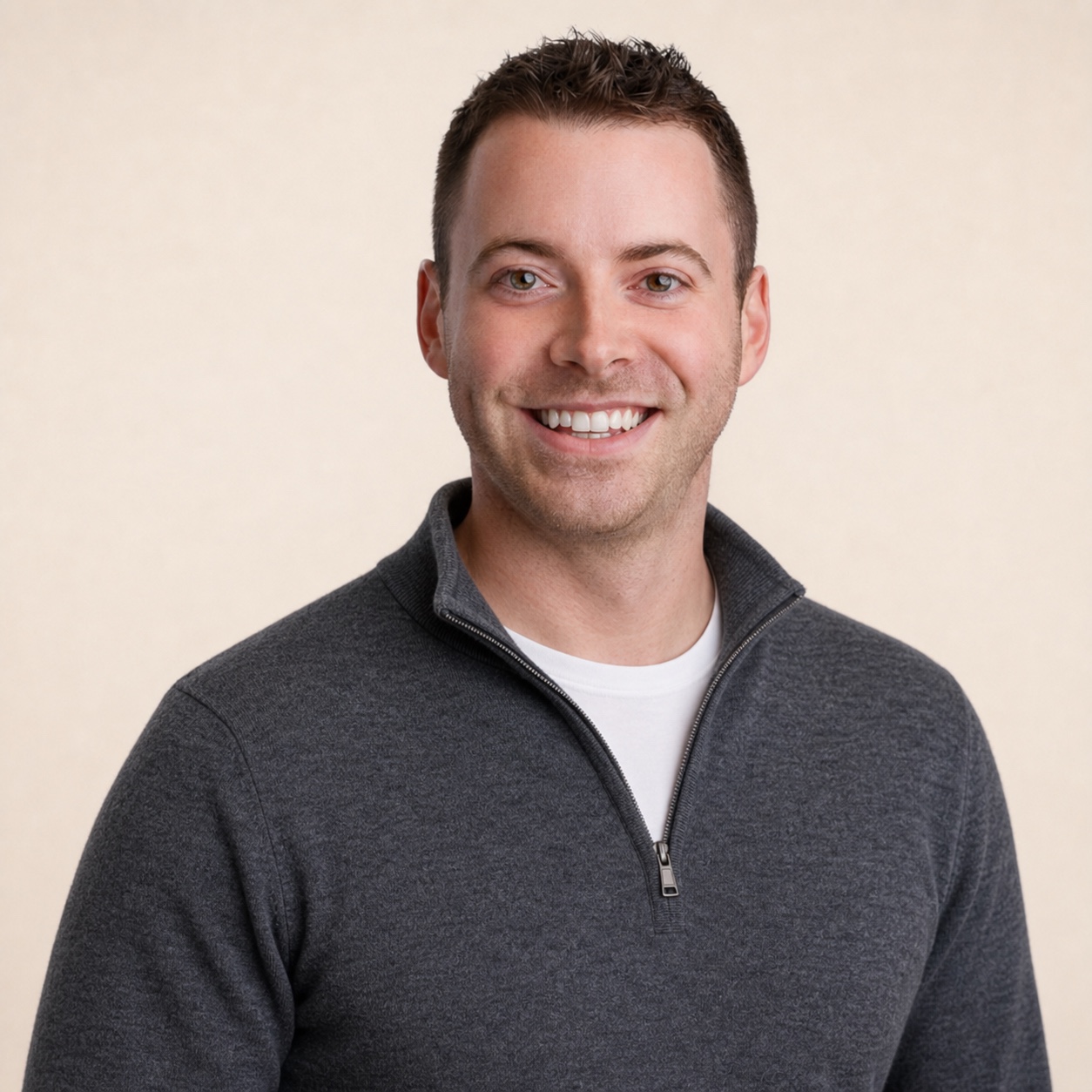
Timothy Heintz, MD

Timothy Heintz, MD

Cofounder

Harvard · Anesthesiology · Engineering
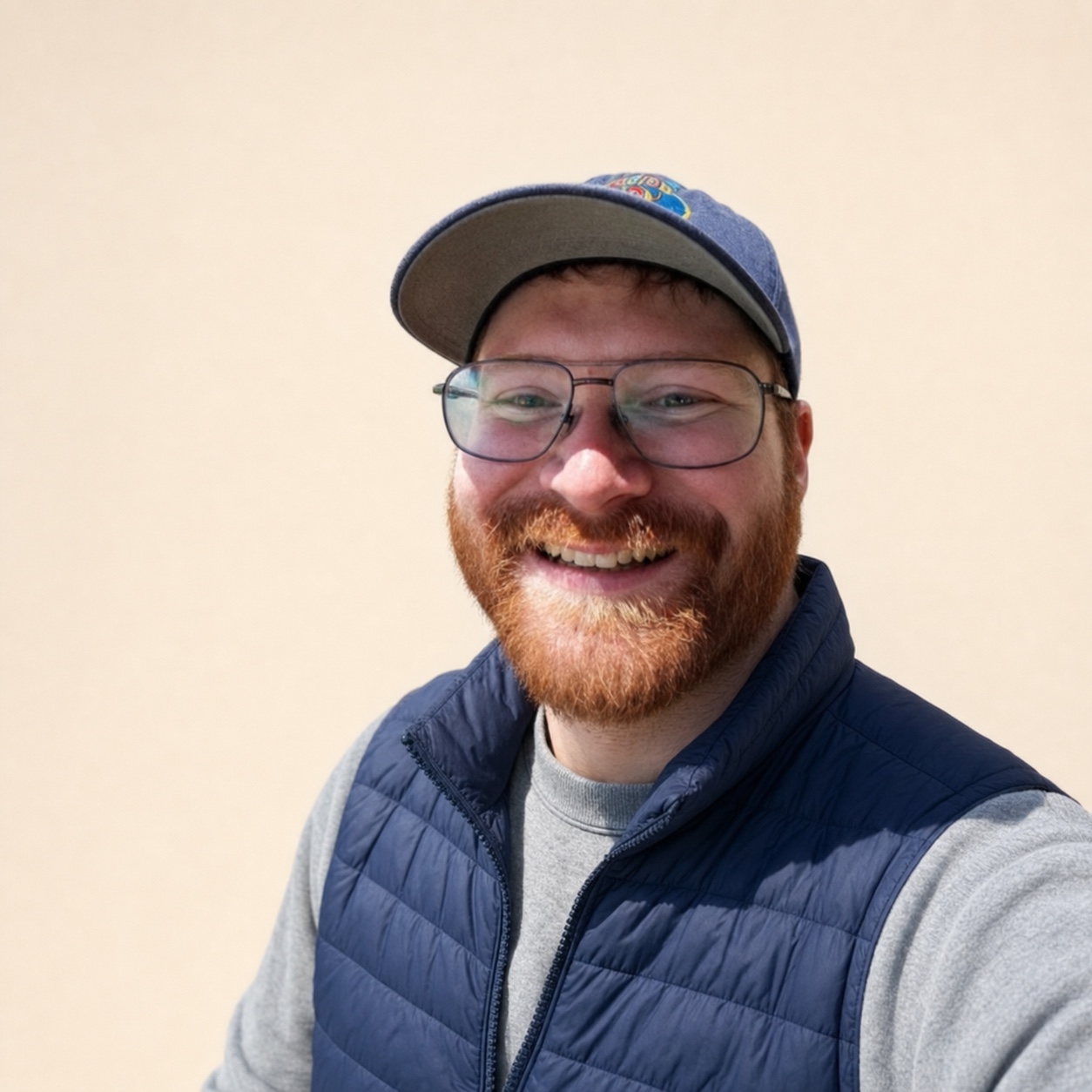
Christian Williams

Christian Williams

ML Engineer

UC Berkeley
Hunter Mills

Hunter Mills

Full Stack Engineer

Stanford

For investors and clinical partners

We are building carefully. The mission is simple.

Meet with the founding team to talk about the problem, the evidence, and what we are building.

Talk with us